
Shinjuku Station
About the Shinjuku Station Camera
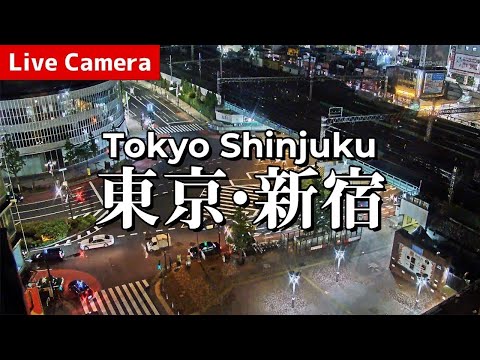
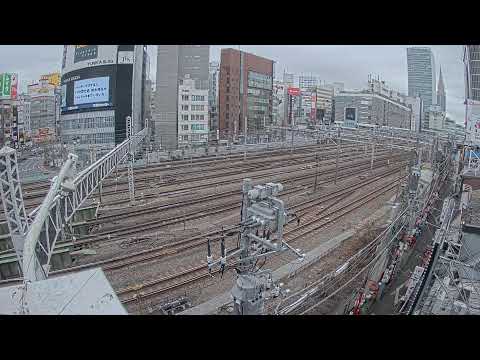
This camera covers Shinjuku Station, which handles more passengers per day than any other station in the world. JR lines, several private railways and the subway all pass through, and the complex has well over a hundred exits — enough that locals get lost in it too.
The station splits the district in two, and the halves are strikingly different. West is the high-rise office quarter that grew after the Keio Plaza Hotel opened in 1971, with the Tokyo Metropolitan Government Building at its centre. East is Kabukicho, the department stores and the entertainment district.
Shinjuku became a centre almost by accident. The Great Kanto Earthquake devastated the low-lying eastern districts, pushing people and commerce west, and what had been a post town on the highway grew rapidly into one of Tokyo's main hubs. Redevelopment around the station is still ongoing.
Highlights & Nearby
- •Watch for: pedestrian flow around the station, commuter peaks, the west-side high-rises
- •Nearby: Tokyo Metropolitan Government Building, Kabukicho, Omoide Yokocho, Shinjuku Gyoen
- •Note: peaks are sharpest on weekday mornings and evenings
Frequently Asked Questions
Is the Shinjuku Station camera live?
Yes. Shinjuku Station in Tokyo streams live 24 hours a day.
What can I see on this camera?
Pedestrian flow around the station, the commuter peaks, and the streets and buildings on either side.
Is Shinjuku really the busiest station in the world?
Yes, by daily passenger numbers. JR lines, several private railways and the subway all pass through, and the complex has well over a hundred exits.
How did Shinjuku become such a major centre?
The Great Kanto Earthquake devastated the low-lying eastern districts, pushing people and commerce westward. What had been a highway post town grew quickly into one of Tokyo's principal hubs.