
Tokyo
About the Tokyo Camera
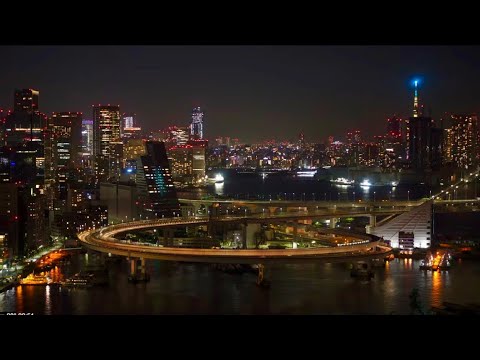
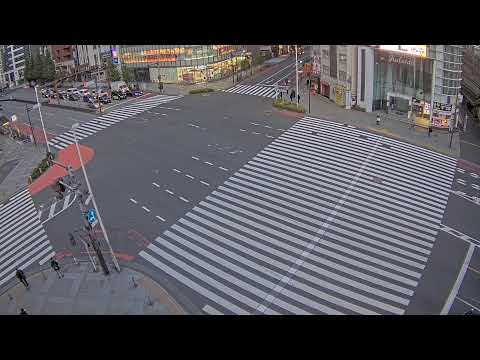
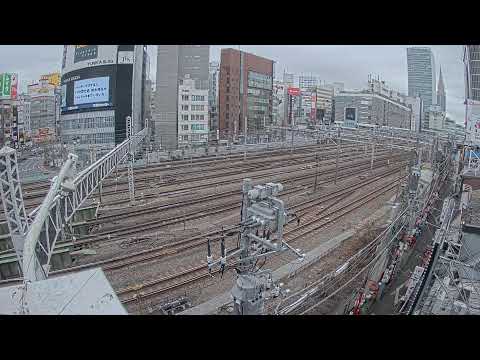
This is a general view over Tokyo. The source stream does not name a single landmark as its subject, so the frame is the city at large rather than one building or street.
Tokyo is not one city so much as a merged collection of centres. Shinjuku, Shibuya, Ikebukuro, Marunouchi and Shinagawa each grew around their own station, and the low-rise fabric between them is where most people actually live. That structure came about because the rail network arrived before the modern city did, and it still governs how Tokyo looks from a distance.
As a camera, the value is in the weather and the light. Cloud crossing the Kanto plain, rain arriving from the west, the long transition through dusk, and the slow illumination of the city after dark all read clearly here in a way they do not at street level.
Highlights & Nearby
- •Watch for: the spread of the city, weather crossing the plain, dusk and the lit city at night
- •Nearby: the Shinjuku, Shibuya, Marunouchi and Shinagawa centres
- •Note: a general city view rather than a camera aimed at one landmark
Frequently Asked Questions
Is the Tokyo camera live?
Yes. The view over Tokyo streams live 24 hours a day.
What can I see on this camera?
A wide view of the city, weather crossing the Kanto plain, and the transition from daylight through dusk into the lit city.
Does this camera show a specific landmark?
No. The source stream does not identify one building or street as its subject — it is a general view of the city.
Why does Tokyo have several separate centres?
The rail network arrived before the modern city did, so districts grew around their own stations. Shinjuku, Shibuya, Ikebukuro, Marunouchi and Shinagawa each developed that way.